How Small Retail Employers Can Reduce Recruitment Costs Without Lowering Standards
Naresh Gowda
Co-Founder & CTO · RiseYou
Discover data-driven strategies for small retail businesses to optimize recruitment spending while maintaining high hiring standards, leveraging modern tools and targeted approaches.
Key takeaways
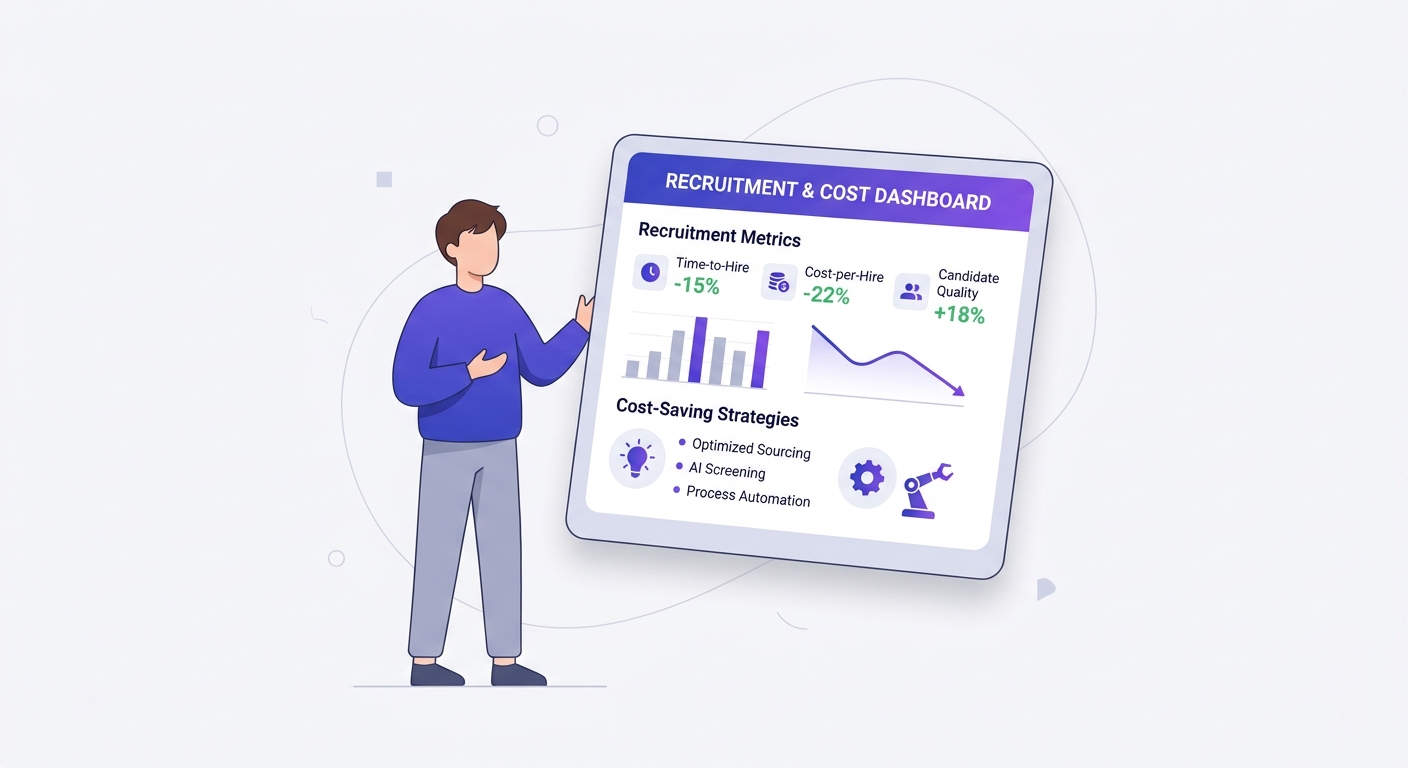
- Leverage automated applicant tracking systems to cut time-to-hire by 50%.
- Use predictive analytics to avoid costly mismatched hires, saving $4,000 per bad hire.
- Strengthen employer branding to reduce recruitment costs by up to 30%.
- Implement flexible work arrangements to decrease turnover rates by 12%.
- Target emerging talent pools like recent graduates and career changers for cost-effective hiring.
Picture a small retail employer juggling limited staffing and tight budgets, facing the constant pressure of high turnover rates. In today's competitive market, where the Job Openings and Labor Turnover Survey for August 2026 showed 7.1 million job openings and 5.2 million hires, efficient recruitment isn't just an advantage—it's a necessity. But how can you hire effectively without stretching your resources thin?
The Rising Cost of Compensation
The U.S. Bureau of Labor Statistics reported that compensation costs for civilian workers increased 3.4% for the 12-month period ending in June 2026, with wages and salaries rising 3.2% and benefits up 3.8%. This means that for small retail employers, every hire comes with growing financial implications. With total employer compensation costs averaging $49.46 per hour for civilian workers, keeping recruitment costs in check is more important than ever.
increase in compensation costs for civilian workers (12-month period ending June 2026)
Source: U.S. Bureau of Labor Statistics, 2026
Efficient Recruitment with Automated Tools
Implementing automated applicant tracking systems can reduce time-to-hire by up to 50%, according to recent HR tech analyses. For small retail employers, this means faster filling of positions and reduced vacancy costs. These tools streamline the hiring process, allowing you to focus on quality over quantity.
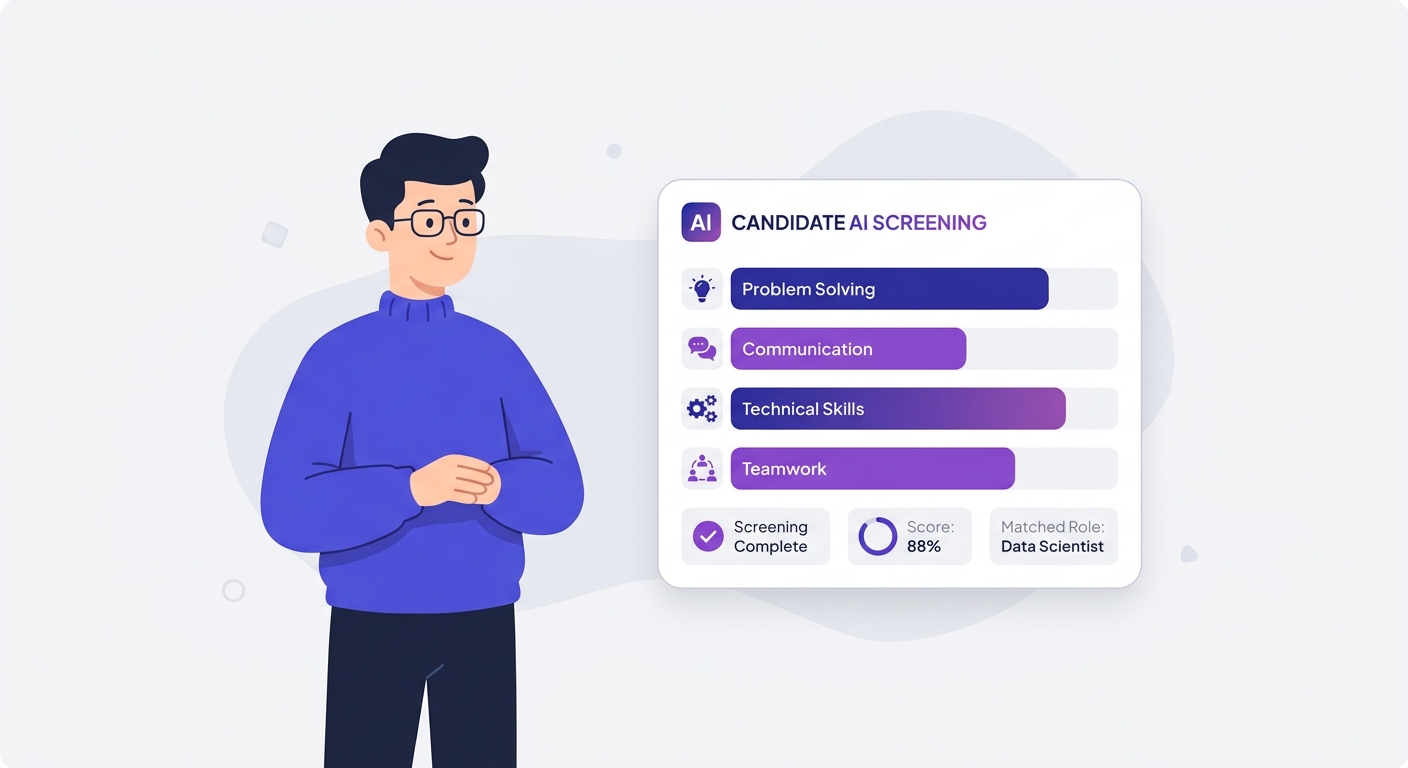
At RiseYou, every candidate completes a real AI Screening interview before any human reviews them, scored against the role's actual competencies, not resume keywords. This ensures that you’re spending time on the right candidates, improving the efficiency and effectiveness of your recruitment efforts.
Predictive Analytics and Employer Branding
Using predictive analytics to match candidate skills with job requirements can reduce mismatched hires, saving an average of $4,000 per bad hire in recruitment and onboarding costs. Additionally, employer branding initiatives have been shown to reduce recruitment costs by up to 30%, as strong reputations attract higher-quality candidates with less investment in sourcing and screening.
For small retail employers, building a strong employer brand can be a game-changer. It not only attracts better candidates but also reduces the time and resources spent on each hire.
average savings per bad hire using predictive analytics
Source: Federal Reserve Bank of Philadelphia, 2012
Flexible Work Arrangements and Emerging Talent Pools
Offering flexible work arrangements can decrease turnover rates by 12%, lowering the recurring costs of rehiring and training. Focusing recruitment efforts on emerging talent pools, such as recent graduates and career changers, can tap into cost-effective talent sources while maintaining hiring standards.
By adapting to the evolving needs of job seekers and tapping into new talent sources, small retail employers can optimize their recruitment strategies without compromising on quality.